


![Jarvis Dining Chairs [Set of 2] [Faux Leather]](http://ofcasafurniture.com/cdn/shop/files/20260729154846.jpg?v=1785311411&width=104)
![Aoife Sleek Dining Chairs [Set of 2] [Linen Texture Fabric]](http://ofcasafurniture.com/cdn/shop/files/UDC8025_2.jpg?v=1777366607&width=104)
![Zahra Dining Chairs [Set of 2] [Boucle Fabric][⌀ 1.9 cm]](http://ofcasafurniture.com/cdn/shop/files/51_c6c2d8af-ba92-4c46-a677-4fe5804efb23.jpg?v=1789623459&width=104)

The small upgrade that rippled outward
Sometimes changing one thing changes how you see everything around it. A couple who'd recently renovated their kitchen found themselves staring at their old dining chairs and realizing they looked tired from the new space. They weren't planning to replace them immediately, but they swapped out two, just to see.
They chose a set in smooth eco-leather that cleaned easily (an important consideration with two kids and a dog) and had a slightly warmer tone that bridged the kitchen and the dining area. Within a week, they'd ordered two more. The table looked intentional for the first time. And because the chairs were more comfortable, properly padded, better proportioned, breakfast had gone from a five-minute rush to something they sat down for.
"A chair that holds you well doesn't just change how you sit. It changes how long you stay; and what happens in that extra time."
What Makes a Dining Chair Actually Comfortable and Supportive?
It's worth understanding what makes one chair feel entirely different from another, because the gap between "fine" and "genuinely good" is often more specific than people expect.
Does back support and seat height really matter?
The backrest is probably the most important variable. A low back might look elegant, but if you're sitting for more than twenty minutes, you'll feel an absence of support. A chair that reaches at least to mid-back, and ideally a little higher, lets you relax your torso rather than holding yourself upright the whole time.
Seat height relative to table height is the other thing most people don't check until it's too late. Ideally you want to go around 25-30cm between the seat and the underside of the table. Too little and you're hunched; too much and you're reaching. It sounds fussy but it's the kind of thing your body notices after twenty minutes even if your brain doesn't.

How much cushioning and seat depth do you actually need?
A thin seat pad is better than nothing, but it doesn't stay comfortable for long. What you want is a seat that has some genuine depth to the cushioning, something that supports the full length of your thigh and doesn't bottom out after an hour. This is especially true for people who work at the dining table.
Seat depth matters too. Too shallow and you're perching; too deep and your legs dangle uncomfortably. Around 44-48cm depth tends to work for most adults, though taller people often need a little more.
How do different materials affect comfort?
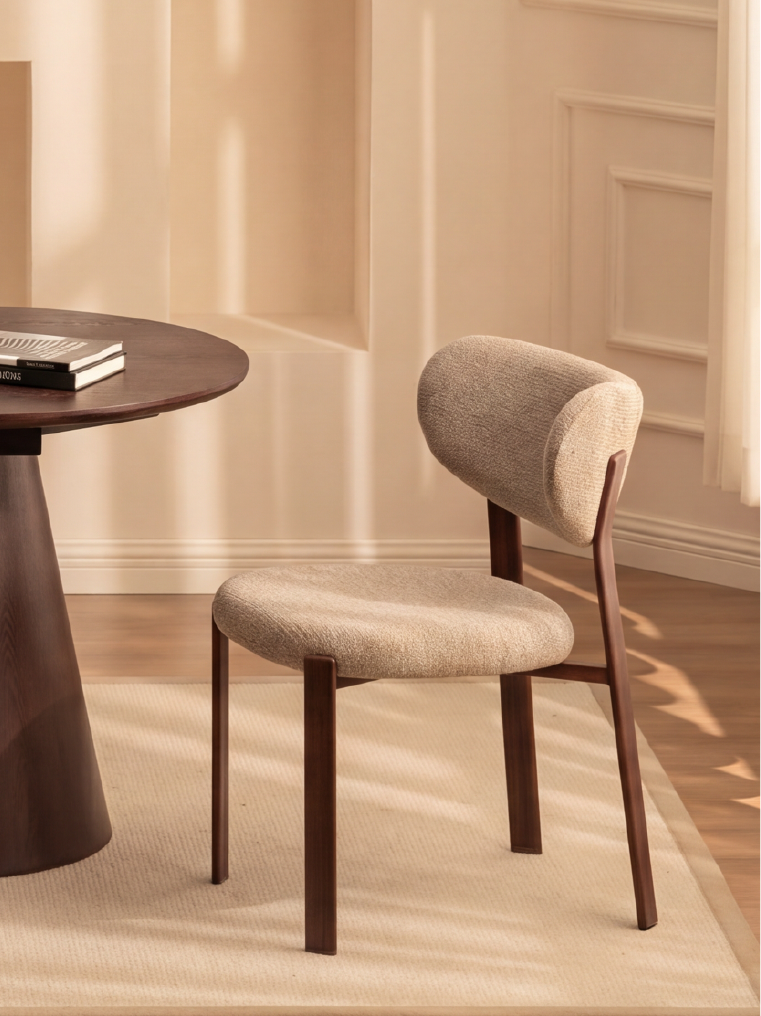
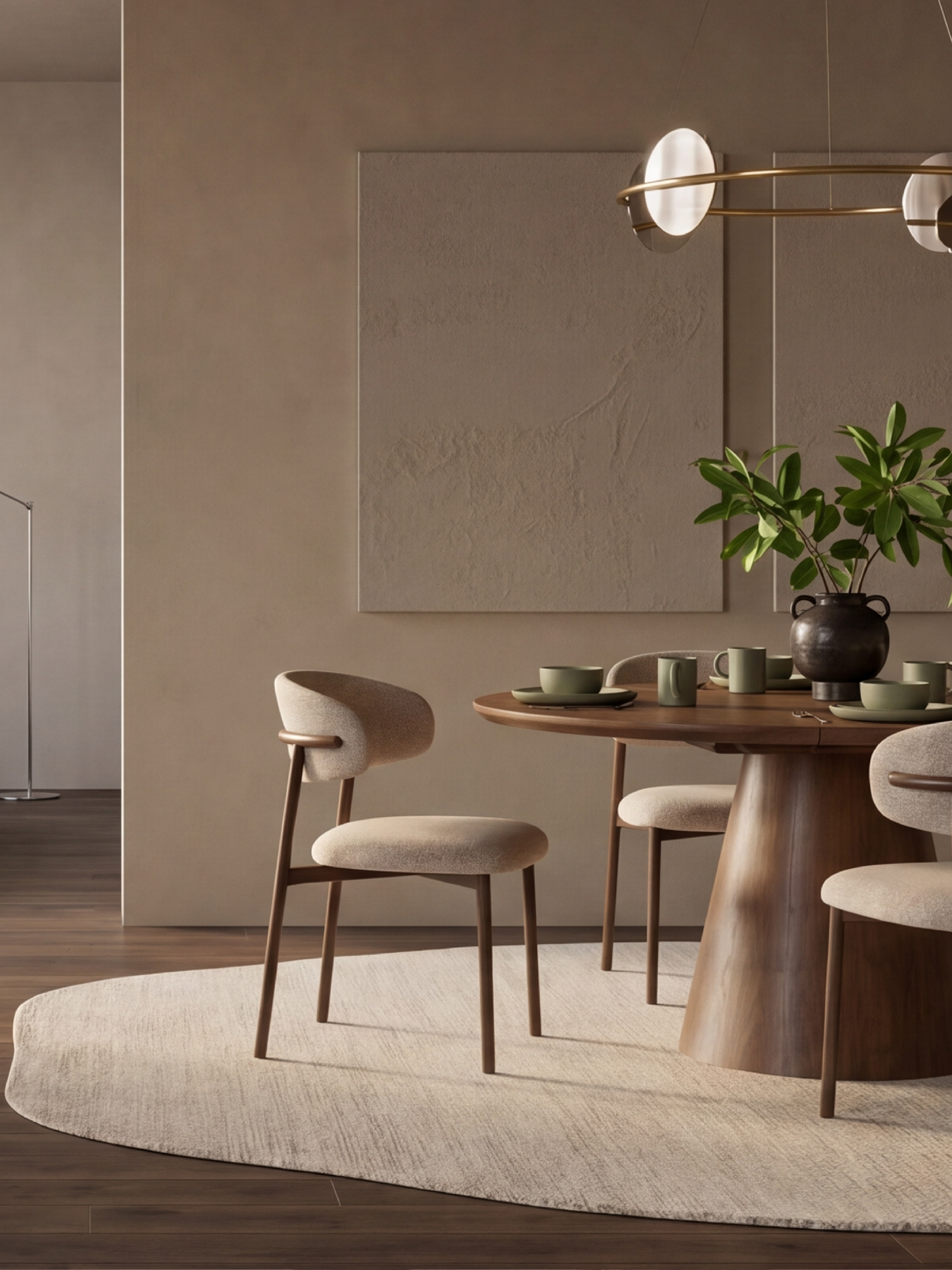
The fabric or material of a chair affects comfort more than people tend to give it credit for. Linen is breathable and doesn't trap heat, good for longer seats and warm kitchens. Bouclé has that slightly springy, textured quality that feels cosseting. Eco-leather wipes clean and feels structured. Material is just a comfort conversation in a different register.
Do you really have to choose between comfort and good looks?
There's a persistent myth that the most beautiful chairs are inevitably the least comfortable. That's not actually true anymore. There are genuinely good-looking chairs that are also a pleasure to sit on. The trick is knowing what to look for and not letting the visual lead entirely.

What small changes can actually make a big difference?
You don't have to redo your entire dining room to feel a shift. A few targeted changes can go a long way.
- Start with two or four, not all of them. Replacing your entire set at once is expensive and often unnecessary. Swap two chairs first, put them at the most-used spots, and see how they change the space.
- Mix materials deliberately. Two upholstered chairs at the head and foot of a table, with simpler wooden ones along the sides, create a layered look that reads as considered rather than mismatched.
- Think about your actual lifestyle. If you work at the table, support and breathability matter most. If you host often, you want something that looks good but doesn't require dry-cleaning. If you have children, easy-clean fabric is going to make a bigger difference.
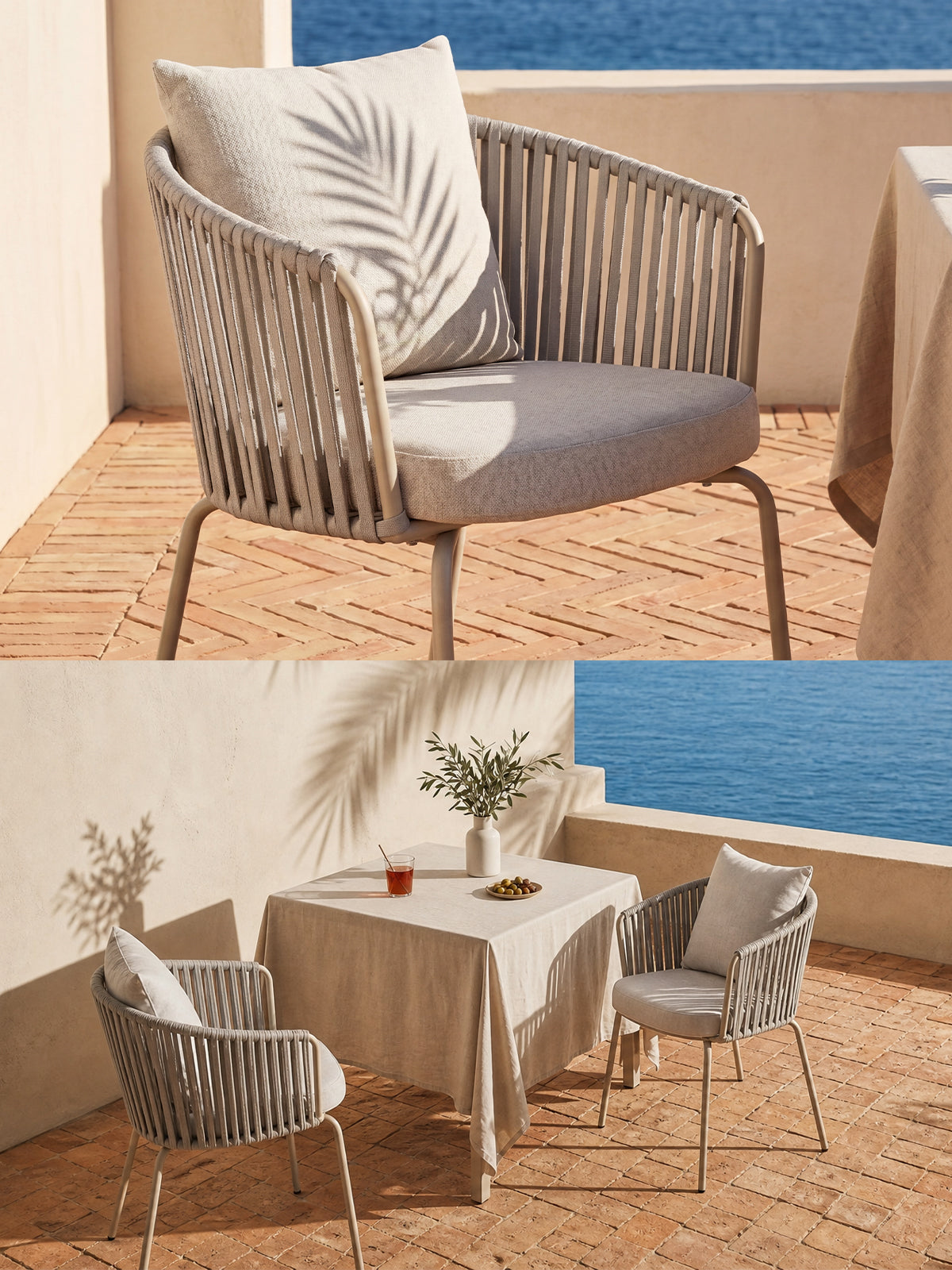
- Don't underestimate the armchair at the table. A single armchair at one end of the dining table adds a sense of occasion and genuine comfort that a standard dining chair can't quite replicate.
What common mistakes should you avoid when buying dining chairs?
Most of these mistakes are made in good faith, usually in the excitement of finding something that looks beautiful. But they're worth flagging honestly.
Prioritizing how it looks over how it feels – The most common one. A chair that photographs beautifully but offers no lumbar support will feel fine for fifteen minutes and start to grate by the end of a meal.
Ignoring seat height and table height compatibility – This sounds like a detail but it's foundational. Measure both before you buy, not after.
Choosing fabric without thinking about your life – A pale bouclé chair is gorgeous. It's also a significant liability in a kitchen with small children. Be honest about your actual household.
Making a rushed decision – Dining chairs are used daily for years. Take the time to think about material, height, back support, and how the chair will age.
Assuming all upholstered chairs are equally supportive – They're not. A thin pad over a hard frame is still, essentially, a hard chair. Look for information about seat fill and back construction.

Why does getting the right chair matter more than you think?
Furniture shapes life in small, incremental ways. The table you eat at, the light above it, the chair you sit on – none of these things are dramatic. None of them are going to upend your life or solve your problems. But they're the backdrop of your daily experience, and they matter more than their quietness might suggest.
When someone swaps out their uncomfortable dining chairs and suddenly lingers longer at breakfast or stops dreading the end-of-day dinner because their back isn't already aching, that's a real change. Not the transformation kind that gets written up in magazines, but the subtle, accumulated kind that improves daily life.
Comfortable dining chairs are, in the end, an investment in time well spent. The time at the table. The conversations that stretch past dessert. The morning coffee that becomes an actual pause rather than a standing refuel.
Start noticing how your current chair makes you feel. You might be surprised by how much it's already been shaping your days, and how different things could be.


Leave a comment
This site is protected by hCaptcha and the hCaptcha Privacy Policy and Terms of Service apply.