


![Jarvis Dining Chairs [Set of 2] [Faux Leather]](http://ofcasafurniture.com/cdn/shop/files/20260729154846.jpg?v=1785311411&width=104)
![Aoife Sleek Dining Chairs [Set of 2] [Linen Texture Fabric]](http://ofcasafurniture.com/cdn/shop/files/UDC8025_2.jpg?v=1777366607&width=104)
![Zahra Dining Chairs [Set of 2] [Boucle Fabric][⌀ 1.9 cm]](http://ofcasafurniture.com/cdn/shop/files/51_c6c2d8af-ba92-4c46-a677-4fe5804efb23.jpg?v=1789623459&width=104)

The stories that follow aren't dramatic. They're not furniture revelations or lifestyle overhauls. They're the quieter, more honest kind of change, the kind you notice in retrospect, weeks after a new chair arrives, when you realize the table has become somewhere you want to be.
The dinners that started last longer
One family had been eating quick meals at their dining table for years. Not because they were busy, exactly just because no one particularly wanted to linger. The chairs were fine, technically. Solid wood. Looked at the part. But they were hard-seated and narrow-backed, and by the time the main course was done, everyone had quietly started angling toward the sofa.
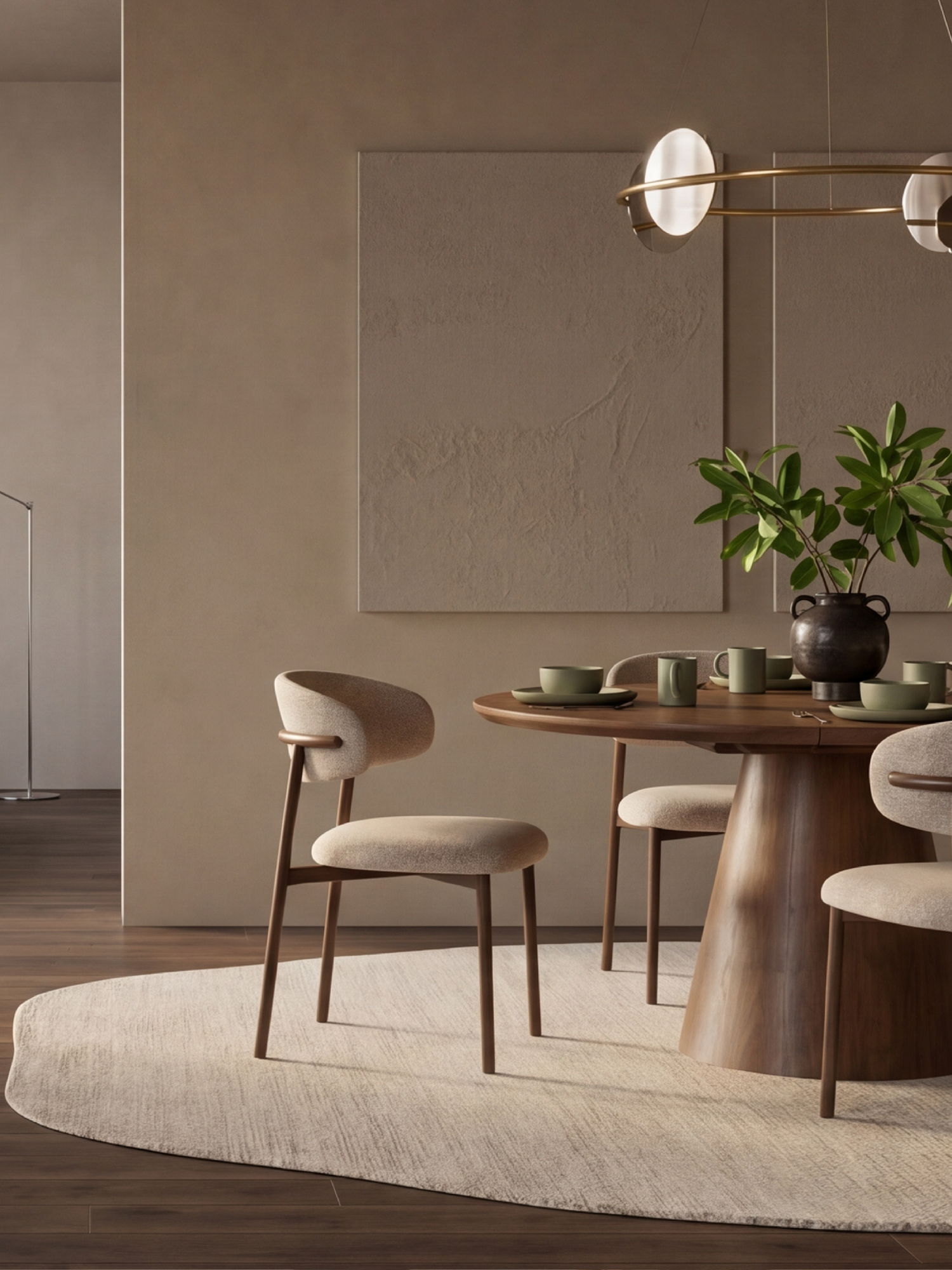
When they eventually replaced two of them with something more padded and supportive, a rounded, upholstered seat with a gentle recline to the back, the difference was noticeable almost immediately. Meals stretched. The kids stayed longer. Conversations that used to end at dessert started wandering into second cups of tea. Something as simple as a better-cushioned seat had changed the rhythm of their evenings without anyone planning it that way.
"We weren't looking to change anything about how we ate dinner. We just wanted chairs that didn't make your back ache. But somehow the whole feeling of the room shifted the table became the place we wanted to be."
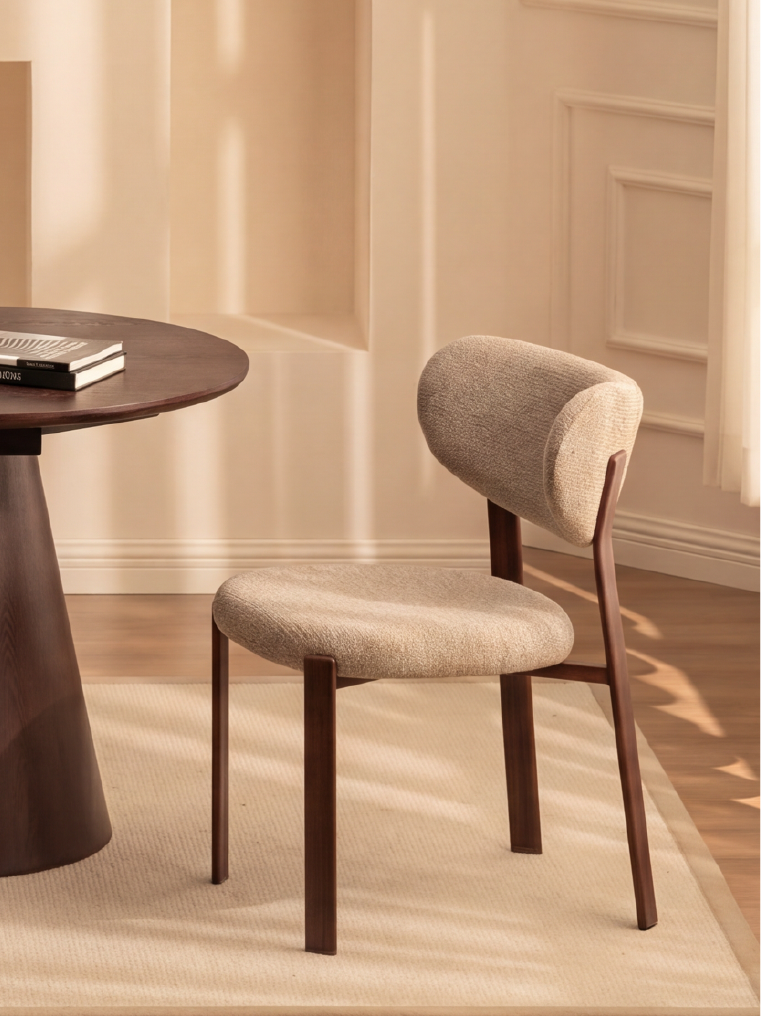
A softly upholstered chair in bouclé fabric, for instance, brings that kind of warmth to a dining space; the texture alone signals comfort before you've even sat down, and the cushioned seat means you're not calculating how long you can stay.

The remote worker who blamed everything but the chair
It's embarrassing how long it took one home-based designer to figure out that the source of her 3pm headaches and tense shoulders was simply her chair. She'd tried different monitor heights, adjusted her desk, even bought a lumbar cushion to prop against the back. Nothing worked.
The chair she'd been using was technically a dining chair, nice to look at, slim and considered, the kind that photographs well. But it had almost no real back support, the seat was shallow enough that she perched rather than sat, and the height was slightly off for her desk. After swapping to something with a fuller back and a properly upholstered seat, the afternoon slump didn't disappear entirely, but it arrived much later and felt far less punishing.
She ended up going with a linen-upholstered dining chair that felt breathable enough for long hours but structured enough to actually support her through them. Linen, she found, doesn't trap heat the way some fabrics do, which matters more than you'd expect when you're spending half the day in the same seat.

The flat that finally felt finished
There's a particular kind of apartment that's furnished thoughtfully in almost every room except the dining area, which ends up being whatever chairs were cheapest or most available at the time. Mismatched, uninvited, vaguely awkward.
One renter in this situation had spent two years with a set of four chairs she'd never really liked not because they were ugly, exactly, but because they didn't belong. Too clunky for space. Not quite the right height. Always slightly in the way.
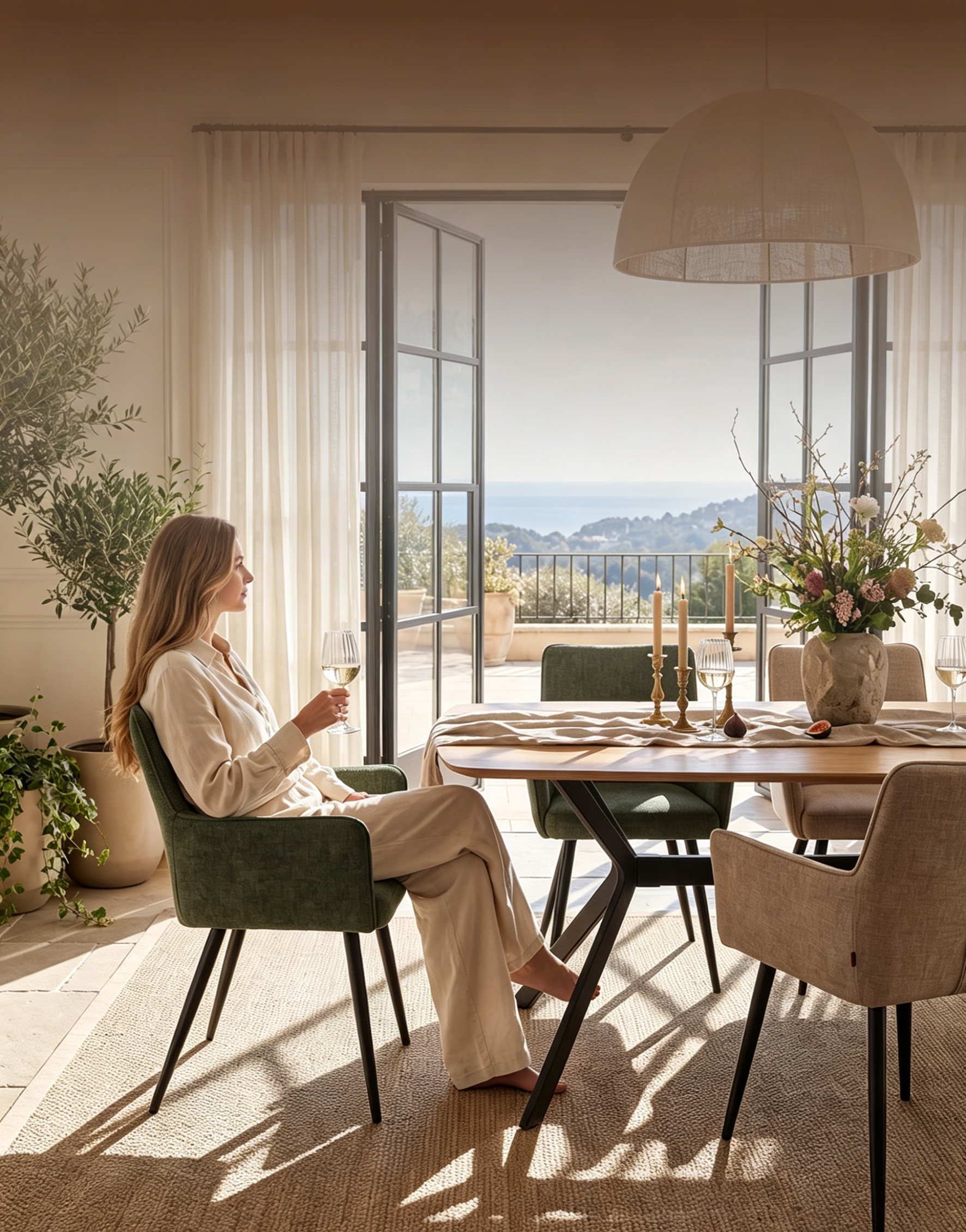
Replacing them with a set of coordinated but not identical chairs gave the table an advantage it hadn't had. The Hadley chair with its clean silhouette and considered proportions changed the corner of the flat she'd been quietly ignoring. Because the seating was comfortable now, she started using the space differently, working there in the mornings, having friends over more, treating it less like a storage surface and more like a real part of her home.

The back problem that turned into a furniture conversation
Not everyone upgrades their dining chairs and does it purely for aesthetic reasons. One person who'd dealt with lower back issues for years had always assumed the dining table just wasn't going to work for them, they'd eat standing at the kitchen counter, or on the sofa, or anywhere that didn't aggravate things.
What changed was trying, at a friend's house, a dining chair with a higher, more supportive backrest and a seat that didn't slope forward. It was a revelation, not because it was some ergonomic marvel, but because it simply didn't fight against them.
They eventually landed on a well-structured upholstered option that combined a cushioned seat with a back tall enough to actually support the upper half. Nothing dramatic, just a chair that held them properly. Which was all they'd needed all along.
The small upgrade that rippled outward
Sometimes changing one thing changes how you see everything around it. A couple who'd recently renovated their kitchen found themselves staring at their old dining chairs and realizing they looked tired from the new space. They weren't planning to replace them immediately; but they swapped out two, just to see.
They chose a set in smooth eco-leather that cleaned easily (an important consideration with two kids and a dog) and had a slightly warmer tone that bridged the kitchen and the dining area. Within a week, they'd ordered two more. The table looked intentional for the first time. And because the chairs were more comfortable, properly padded, better proportioned, breakfast had gone from a five-minute rush to something they sat down for.
"A chair that holds you well doesn't just change how you sit. It changes how long you stay; and what happens in that extra time."


Leave a comment
This site is protected by hCaptcha and the hCaptcha Privacy Policy and Terms of Service apply.