

![Jarvis Dining Chairs [Set of 2] [Faux Leather]](http://ofcasafurniture.com/cdn/shop/files/20260729154846.jpg?v=1785311411&width=104)
![Aoife Sleek Dining Chairs [Set of 2] [Linen Texture Fabric]](http://ofcasafurniture.com/cdn/shop/files/UDC8025_2.jpg?v=1777366607&width=104)
![Zahra Dining Chairs [Set of 2] [Boucle Fabric][⌀ 1.9 cm]](http://ofcasafurniture.com/cdn/shop/files/51_c6c2d8af-ba92-4c46-a677-4fe5804efb23.jpg?v=1789623459&width=104)
INTRODUCTION
There's a particular kind of calm you feel when you walk into a well-done Japandi space. It doesn't announce itself loudly. It doesn't have seventeen throw pillows or a gallery wall crowded with prints. It just... breathes. And somehow, that restraint makes it feel more alive than most decorated rooms ever do.
Japandi, if you haven't come across the term yet, is a design philosophy born from the intersection of two traditions that, on the surface, seem like they come from very different places: Japanese wabi-sabi minimalism and Scandinavian hygge-driven coziness. One leans into impermanence, asymmetric, and quiet beauty. The other wraps you in warmth, practicality, and soft light. Put them together and something genuinely interesting happens. You get spaces that feel both spare and livable, serene but not cold.
It's been trending for a few years now, and honestly, maybe it's because a lot of people are tired. Tired of maximalism that never quite feels settled, tired of the all-white-everything era, tired of interiors that look like a mood board but don't feel like a home. Japandi offers something different, a way to design with intention, to own fewer things but better ones, and to let the room itself do the talking.

PART ONE: What Actually Defines Japandi
Before you go replacing your whole living room, it helps to understand what makes a space feel authentically Japandi versus just 'kind of minimal.' There are a few things that come up repeatedly.
Neutral palettes but not boring ones
Japandi color stories live in the quieter end of the spectrum: warm whites, earthy taupes, weathered grays, muted sage, deep charcoal. What you're not doing is going fully sterile, ice white walls with no warmth anywhere tend to feel more hospital than home. The Japanese concept of ma (negative space) leans on warmth within simplicity. So, your neutrals should feel like linen left in the sun, or stone washed by rain, not a blank canvas waiting to be filled.
Think: warm white · sand · taupe · sage · charcoal · walnut all working quietly together.

Natural materials, always
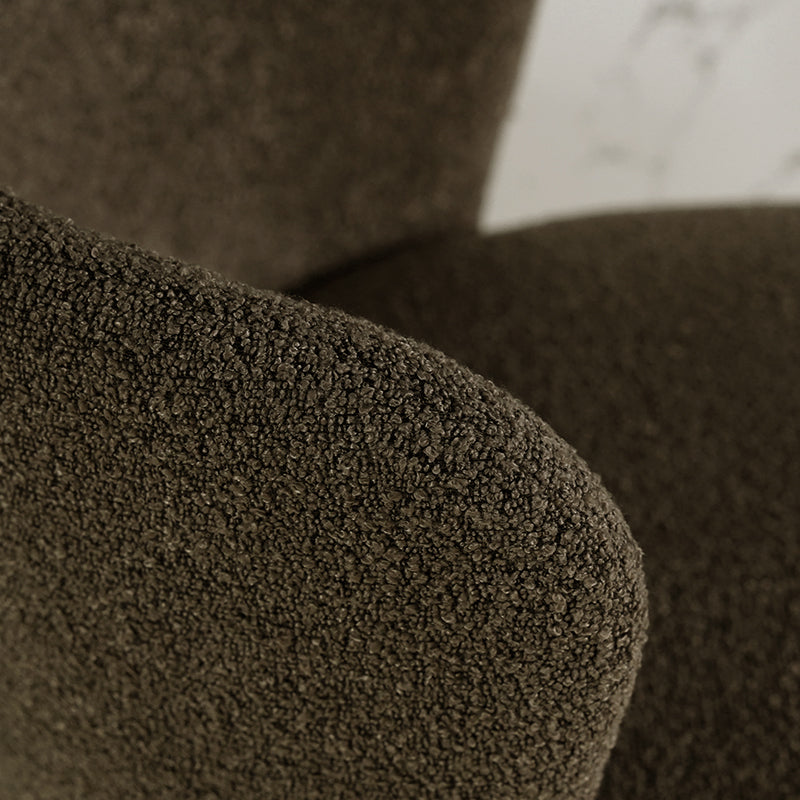
Wood, linen, boucle, stone, bamboo, rattan – if it came from somewhere on earth, it probably belongs. What Japandi does especially well is mixing material weights: a raw oak table paired with a soft woven chair, or a matte stone surface alongside a smooth ceramic. You'll notice the best Japandi interiors feel textural without being busy. Every surface has something to say, but none of them are shouting.

Clean lines, functional shapes
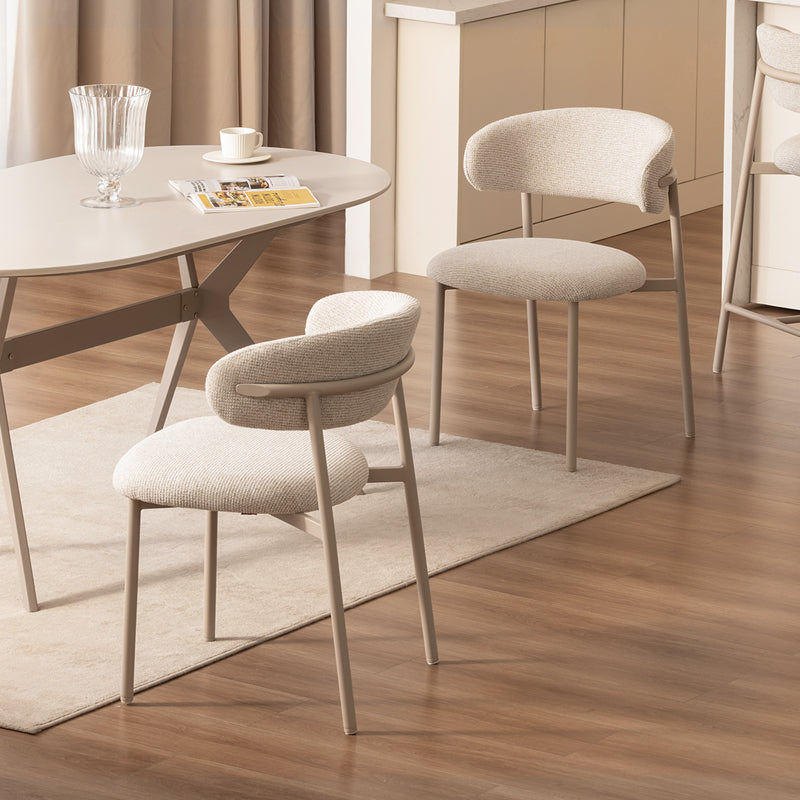
Both Japanese and Scandinavian design traditions have a deep relationship with craftsmanship and function. In Japandi, furniture tends to be low-profile, grounded, with simple silhouettes. No ornate carved legs, no heavy baroque frames. But this is important – it doesn't mean sterile. There's warmth in how these shapes sit in a room. A slightly curved backrest on an otherwise simple dining chair, for instance, changes everything about how it feels to be near it.

Comfort without excess
Scandinavian design introduced the idea that a home should feel cozy, and that thread runs through Japandi too. But there's discipline to it. Comfort here means a genuinely good chair, a table lamp that throws the right light, a rug that feels good underfoot. It doesn't mean layering on throw after throw until the sofa looks like a textile museum.
PART FOUR: Mistakes Worth Avoiding
Enough Japandi attempts go sideways to know where the potholes are. Here are honest ones.
Going Too Cold
Grey walls, grey floor, grey furniture, white accents – technically neutral, but depressing. Japandi warmth comes from earth tones, wood, and textured fabrics. Without that warmth, you end up with something closer to a tech company breakout room than a home.
Treating minimalism as emptiness
Removing everything and leaving bare walls and no soft furnishings isn't Japandi, it's just sparse. There's a difference between considered restraint and a room that looks like the movers haven't arrived yet.
Buying the 'look' wholesale
Purchasing a curated set of seven Japandi-adjacent items from the same brand at once is usually a mistake. The style is about considered accumulation, not a packaged aesthetic. It ends up feeling thin and identical to every other interpretation you've seen online.
Ignoring comfort entirely
Chairs that look stunning but aren't good to sit in are a Japandi failure. The Scandinavian side of this equation demands livability. If your gorgeous dining chairs make everyone want to leave after twenty minutes, something's gone wrong.

Over-decorating to 'add personality'
When people feel the room is too sparse, the instinct is to add things. More things. A collection of objects here, a print there. Resist this. The personality in a Japandi space comes from quality and restraint, not from accumulation.
Forcing perfectly matched materials
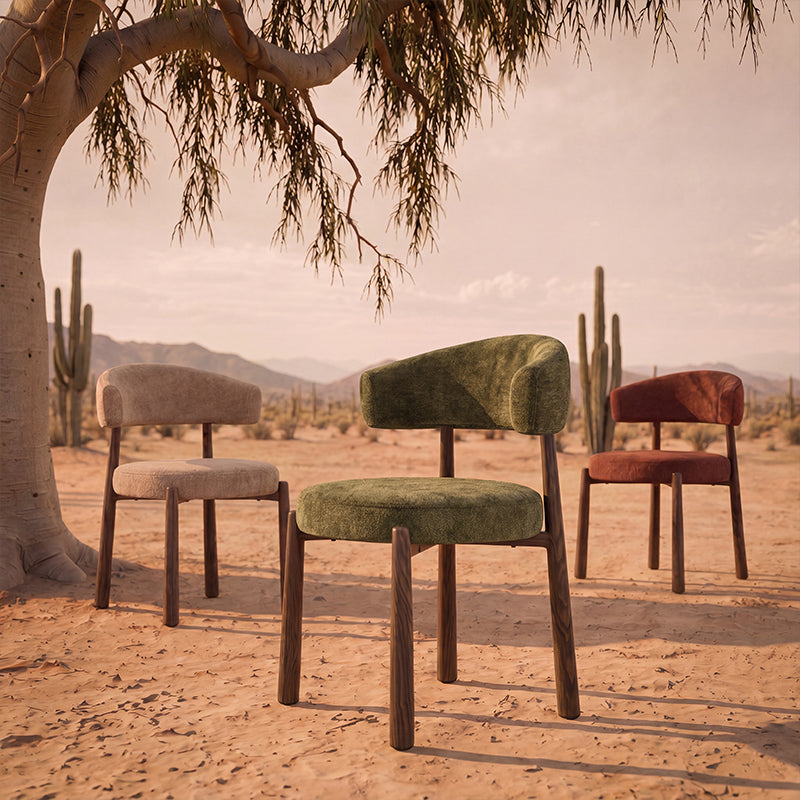
Everything being the exact same shade of oak looks planned in a way that feels unnatural. Real warmth comes from slight variation – a darker wood next to a lighter one, raw stone near smooth ceramic. The imperfection is the point.

CLOSING THOUGHTS FOR PART 1
Understanding Japandi is the first step. Now that we've covered what it is – and what it isn't – stay tuned for Part 2, where we'll dive into the practical side: how to choose the right furniture and actually build the look in your own space.